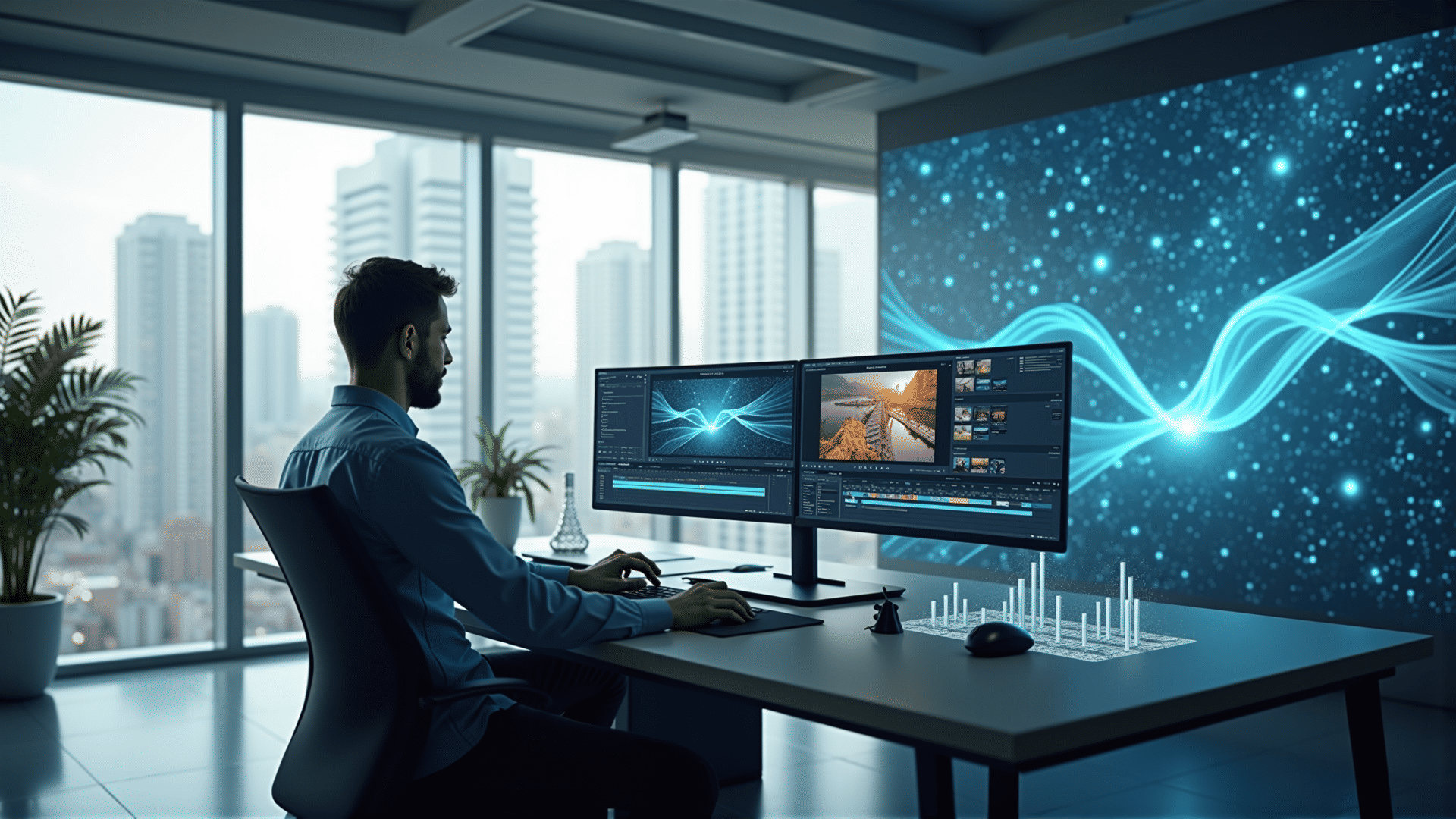
The landscape of digital media is rapidly evolving, with artificial intelligence at the forefront of transformative changes. One of the most prominent areas experiencing significant advancement is video editing. AI video makers are revolutionizing how creators approach the editing process, offering new avenues for creativity and efficiency.
For decades, video editing has been a meticulous and labor-intensive task, requiring editors to painstakingly cut, arrange, and refine footage manually. Today, AI video makers are dramatically simplifying these processes. Through machine learning algorithms and sophisticated data processing, these tools can automatically generate edits that once took days or even weeks to complete.
One of the most significant impacts of AI video makers is in automating mundane tasks. By identifying key moments and seamlessly stitching scenes together, AI allows editors to focus more on the creative aspects, such as storytelling and visual design. This shift not only speeds up the workflow but also enhances the quality of the final product by allowing for more artistic input and experimentation.
AI video makers are also expanding the boundaries of what is creatively possible. With features like automated color correction, audio balancing, and even the ability to create complex visual effects, these tools push the limits of traditional editing techniques. For creators, this means an opportunity to experiment with new styles and narratives effortlessly.
Moreover, the accessibility of AI-driven tools democratizes video editing. Even those with minimal technical skills can produce high-quality content. This accessibility broadens the pool of content creators, leading to a vibrant and diverse digital media ecosystem. Educational applications and user-friendly interfaces enable a wide range of users to harness the power of advanced editing techniques without requiring extensive training.
However, the rise of AI video makers also raises questions about the future role of human editors. While AI can handle a remarkable array of tasks, the human touch remains irreplaceable when it comes to nuanced creativity and emotional storytelling. Editors now divide their time between collaborating with AI for technical tasks and applying their unique vision and insights where it matters most.
In conclusion, AI video makers are reshaping the video production landscape, offering unparalleled benefits in terms of efficiency and creativity. While technology takes on more routine tasks, human editors are liberated to explore deeper narrative layers and innovate in ways previously unimaginable. The marriage of AI and human creativity promises a dynamic future for digital media, where technology enhances, rather than diminishes, artistic expression.